
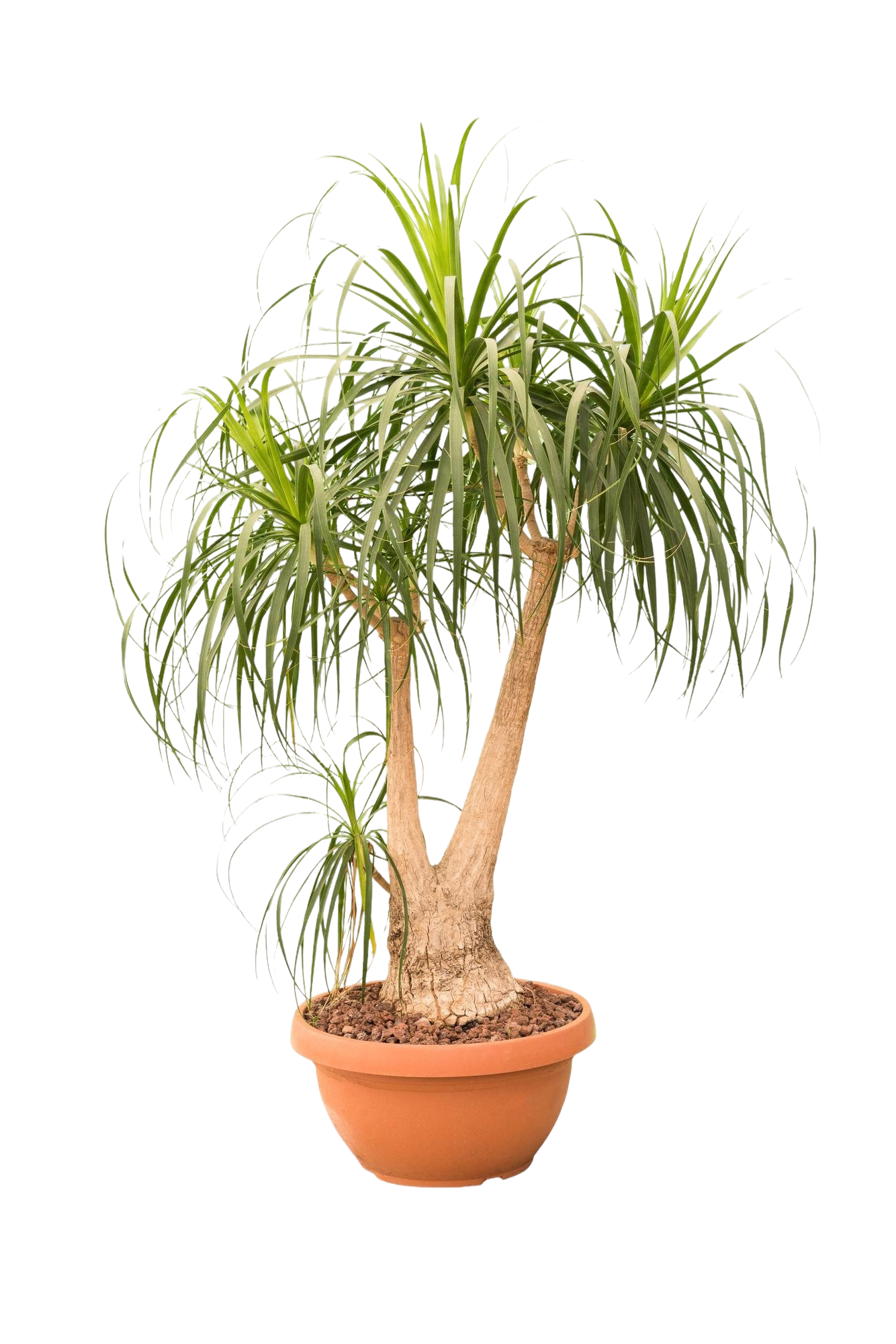
Elephant foot location
The Elephant foot location decides on growth and leaf appearance. As a sun lover, the plant wants to stand in bright light. The more light it gets, the more compact the growth remains and the stronger the leaf green appears.
Light requirements and sunlight exposure
A spot at the East or west window fits very well. South-facing sides are possible, but direct midday sun behind glass should be introduced gradually. Without acclimation, leaf tips can dry out.
In partial shade, the elephant foot survives but grows significantly slower.
Optimal room temperature and drafts
Year-round are warm temperatures ideal. Drafts stress the plant and can lead to leaf problems. Do not place the pot in constant drafts. The elephant foot also does not like cold soils.
Outside in summer
In summer, the elephant foot can go outside – protected and slowly acclimate to the sun. Start in partial shade and gradually increase the amount of light over several days. It should remain steadily warm at night.
Repotting elephant foot
Elephant foot grows slowly. Therefore, Repotting only rarely necessary. Usually a rhythm of 3–5 years or if the base of the stem "bursts" the pot.
Choosing the right substrate
The most important rule: permeable instead of dense. Suitable are:
-
Cactus soil
-
or indoor plant soil mixed with Sand + clay granulate/pumice
Avoid heavy, clayey soil. It retains water too long and increases the risk of root rot.
Repotting elephant foot – step by step
-
Carefully remove the plant from the pot
-
Loosely remove old soil (without tearing the roots)
-
Pot only slightly larger, but rather broad choose (shallow-rooted)
-
Fill with fresh, dry substrate
-
After repotting, water moderately only after a few days
Avoid common mistakes
Pots that are too large retain too much moisture. This is the most common cause of later problems. After repotting, the rule is: Do not fertilize for 6–8 weeks.
Watering elephant foot: how often and how much
When Watering elephant foot a simple rule of thumb applies: Better too dry than too wet. Waterlogging is the biggest enemy. The trunk stores water, so the plant manages well with breaks.
How often should you water the elephant foot?
Only water when the substrate significantly dry is.
-
Summer: mostly every 10–14 days (depending on location)
-
Winter: often only every 3–4 weeks or less often
Watering technique and avoiding waterlogging
Water thoroughly until water runs out at the bottom. After that: Empty saucer after 10–15 minutes.
A pot with a drainage hole is mandatory.
Optimize watering
Soft, limp leaves or an unpleasantly damp substrate are warning signs of too much water. Yellow leaves can also indicate this. When in doubt, better to wait.

Fertilize elephant foot for healthy growth
Elephant foot is undemanding. Too much fertilizer does more harm than good.
The right fertilizer
From spring to summer:
-
all 4–6 weeks
-
liquid fertilizer in weak dosage
-
cactus fertilizer or green plant fertilizer (half strength)
Avoid fertilization mistakes
Over-fertilization can cause brown tips and root damage. Never fertilize on dust-dry soil. In winter, not at all fertilized.
Pause after repotting
Fresh soil contains nutrients. After repotting, wait 6–8 weeks, before you fertilize again.
Pruning Elephant Foot: When and how
A shaping cut is usually unnecessary. The Elephant Foot remains attractive even without pruning.
Removing dry leaves
Older, lower leaves dry out over time. You can simply pull them off or cut them cleanly. Brown tips can be visually trimmed.
Cutting the trunk when space is limited
If the plant gets too tall, you can shorten the trunk. However, this strongly changes the appearance. Use clean tools and give the plant time – sprouting can take weeks.
Care After Pruning
After a stronger cut, water less and place in very bright light. Patience pays off: new shoots often form below the cut site.
Propagating Elephant Foot
Propagation works through Side shoots or SeedsBoth are possible, but not always quick.
Cuttings from side shoots
Carefully detach side shoots and place in very well-draining substrate. Warmth (about 25 °C) and higher humidity help. Still, cuttings do not always root reliably.
Growing Elephant Foot from seeds
Seeds are often easier than cuttings – but slow. Sow in loose seed compost, keep slightly moist, place in warmth. Germination can take several weeks.
Why division does not work
Unlike many houseplants, you do not divide Elephant Foot like perennials. You work with shoots or seeds.

Diseases and pests of the Elephant Foot
With proper care, the plant is stable. Problems almost always arise from too much water or very dry heating air.
Recognizing Common Pests
-
Spider mites: fine webs, dull leaves
-
Mealybugs/scale insects: small "cotton" or armored spots
Preventive Measures
Good conditions are the best prevention. Check more often in winter. Keep new plants separate for a short time.
Treatment
First remove mechanically (wipe off, rinse). Then use biological agents like soft soap or neem. Isolate the plant if heavily infested.
Elephant foot brown leaf tips: causes and solutions
Brown tips are common and often harmless. The key is whether only the ends are dry or whole leaves are dying.
Dry air and sun
Very dry heating air or sudden strong sun can dry out tips. Adjust location and water more evenly (without overdoing it).
Waterlogging and root stress
If leaves first turn yellow and then soft/brown, there is often too much water involved. Check the substrate and repot if necessary.
Natural aging
The lowest, old leaves die off over time. This is normal. Remove them to keep the plant looking well cared for.
Is elephant foot toxic to humans and pets?
Elephant foot is considered harmless for humans. Caution is advisable for pets.
Harmless for humans
There is no danger when touching or caring for it. The plant is generally safe for households with children as well.
Slightly irritating for cats and dogs
Elephant foot contains SaponinsIn pets, this can lead to gastrointestinal complaints in larger quantities. It is better to keep the plant out of reach if animals like to nibble.
Practical tip
The leaves are hard and fibrous – many animals quickly lose interest. Nevertheless, a safe location is the best solution.

Elephant foot care – summary
Elephant foot is an ideal beginner plant. Place it bright to sunny. Water only when the soil is dry. Consistently avoid waterlogging. Fertilize sparingly only during the growing season. Repotting is rarely necessary – usually every 3–5 years.
Most common care mistakes
-
watering too often
-
Leaving water standing in the saucer
-
too heavy soil without drainage
-
cold drafts in winter
-
too much fertilizer
Buying an elephant foot: What to watch for
Pay attention to a firm trunk base, clean leaves, and no pests in leaf axils. Protect well during transport in winter.
Rewarding plant care
With little effort, the elephant foot remains attractive for years. It is decorative, robust, and ideal for living spaces or offices.
Elephant foot care in winter
In winter, the plant enters a resting phase. It needs less water and no nutrients.
Respect winter dormancy
Ideal is bright and cooler at 10–15 °C. Then water very rarely. If overwintering warmly in the living room, water only minimally.
Optimize light in winter
The darker the location, the slower the plant grows. Place it as bright as possible, without cold drafts.
Prepare for spring awakening
From March, water slowly more. From April, start again with weak fertilization. Repotting is best done in spring.